
Arizona Construction Defect Counsel for Communities and HOA Boards
For Property Managers
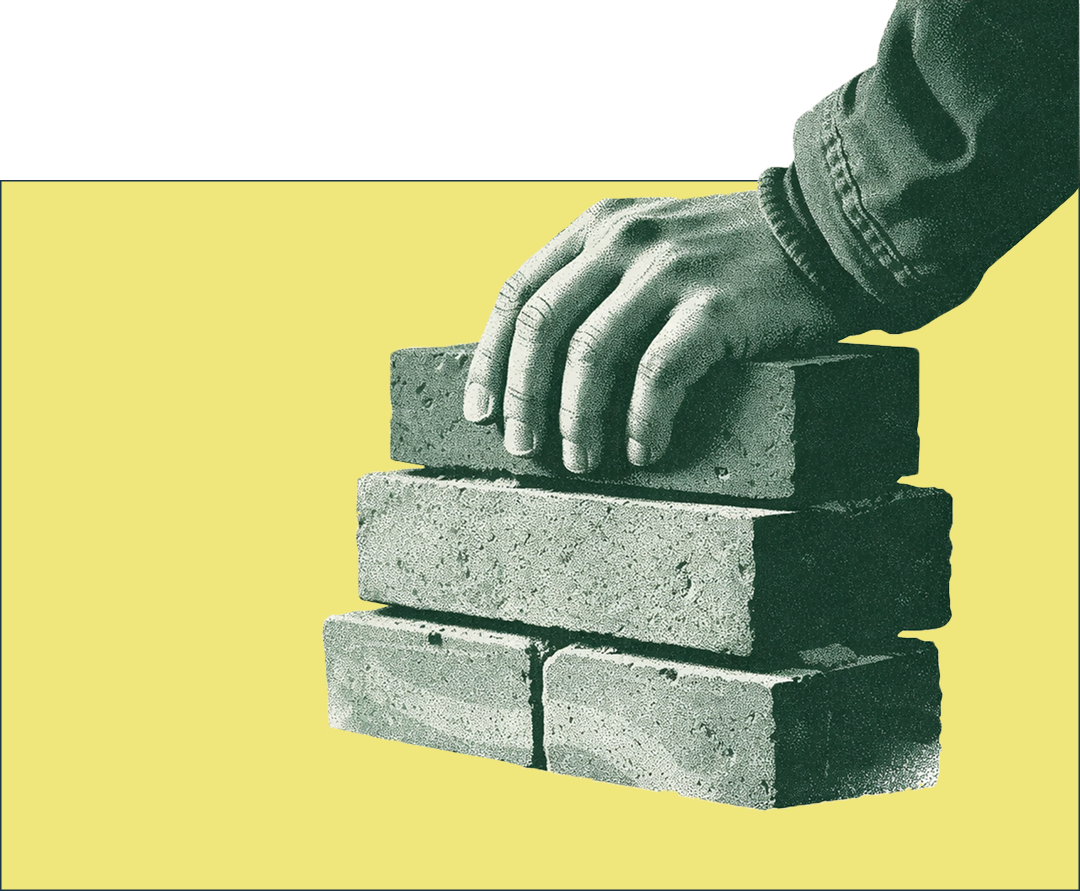
When a building doesn't perform the way it should, the consequences stack up fast, repair bills, special assessments, frustrated owners, and a paper trail that grows messier by the month.
Stratman Law Firm represents Arizona community associations, HOA boards, and property owners through original construction defects, contract disputes, and reconstruction challenges, so you can recover what you were promised without dragging your community through years of conflict.

THE CHALLENGE
A defect is rarely just a defect. It's a budget problem, a board problem, and a timing problem.
A construction defect is any flaw in a building's design, workmanship, materials, or underlying site conditions that causes it to fall short of applicable codes and accepted construction standards. It can show up almost anywhere: foundations, structural systems, roofing, windows, plumbing, and drainage. Many of the costliest problems start in the ground, with improper grading, expansive or unstable soils, or inadequate site preparation that later surfaces as settlement, cracking, or water intrusion.
Some defects are obvious within months of completion. Others stay hidden for years before showing up as mold, water damage, or structural instability. For a board, that timing is the hard part. The roof failing six years ahead of schedule. The stucco shedding off in sheets. The contractor who promised a fix by spring and stopped returning calls in July.
For a community, these are governance problems and money problems at the same time. Every month a defect goes unaddressed, the special assessment gets bigger, the annual meeting gets louder, and the legal options get narrower. You do not need a war. You need someone who understands Arizona construction defect law, can read the contracts and the warranty language with a clear eye, and can tell you honestly what you are owed and what is worth pursuing.

WHAT WE DO

Three Lanes. Substantial Experience in Each.
Stratman handles three categories of construction defect work for Arizona communities and property owners:
Original Construction Defects
Defects rooted in the original design, workmanship, materials, or site work: foundations and structural systems, roofing and waterproofing, windows and the building envelope, plumbing, drainage, and the soils and grading issues that drive settlement and water intrusion. We help associations identify what is actually defective, document it properly, and pursue the parties responsible.
Contract & Warranty Disputes
When a builder, developer, or contractor has not honored the contract or the warranty, we read the documents closely, establish where the obligation sits, and press for the repair or recovery the association is entitled to, without manufacturing a fight the documentation will not support.
Reconstruction Challenges
The problems that surface during repairs and reconstruction: change orders, scope disputes, work that does not match the contract, and the question of who pays when the fix itself goes sideways. We keep the board's exposure contained and the project moving.
WHO WE SERVE
Built for the Communities and Owners Doing It Right.
Community Associations & HOA Boards
You hold the contracts, the reserves, and the responsibility. Whether it is a single townhome unit or a high-rise tracking a façade issue across multiple floors, we represent the association in pursuing the parties responsible, and in protecting the board from second-guessing along the way.
Boards Working with Property Managers
If your community is professionally managed, we work alongside your manager, not around them. They know the building. We know the law. The board gets the benefit of both.
Property Owners
Small-portfolio investors and commercial property owners dealing with a defect, a contractor walk-off, or a warranty dispute. We give you a clear read on the strength of the claim, the realistic recovery, and the most efficient path to resolution.
TIME MATTERS, KNOW YOUR DEADLINES
In Construction Defect Claims, the Calendar Is Working Against You.
Arizona applies strict statutes of limitation and repose to construction defect claims. In general terms, an association has a limited window, often as little as eight years from substantial completion, with narrow exceptions for latent defects that could not reasonably have been discovered earlier, plus shorter deadlines that start running once a defect is actually discovered.
For a board, the practical takeaway is simple. The longer a known defect sits in the minutes without action, the more of the community's leverage quietly expires. Getting an early, honest read on where you stand in the timeline is one of the most valuable things a board can do, and it costs far less than discovering too late that the window has closed.
THE PROCESS
The Arizona Purchaser Dwelling Act: The Roadmap Before Any Lawsuit.
In Plain Terms
Before a construction defect lawsuit can be filed in Arizona, associations and property owners must work through a mandatory pre-litigation process under the Arizona Purchaser Dwelling Act (the PDA, A.R.S. § 12-1361 et seq.). In plain terms, the law requires the claimant to put the builder on formal notice and give them a real opportunity to inspect and fix the problem before anyone goes to court. For a board, that structure is not red tape. It is the most likely path to getting the building repaired without a multi-year courtroom battle, which is exactly how we prefer to work.
Pre-Litigation Notice and Opportunity to Repair
The association serves detailed written notice of the alleged defects. The builder is then given a defined period, generally at least 90 days, to inspect the property and respond with an offer to repair or otherwise resolve the claims.
Tolling of the Deadlines
Once proper notice is served, the applicable limitation and repose periods are generally paused while the parties work through inspection and possible settlement, so the board is not penalized on the calendar for following the process.
Disclosure and Transparency
If repairs are made, the law requires that detailed repair information be disclosed. That protects owners and gives the board a documented record of what was actually done.
Where It Goes Wrong
Missing or mishandling the pre-litigation requirements can delay recovery or bar it altogether. The notice has to be done correctly and on time, which is why early legal guidance matters more here than almost anywhere else in the process. The PDA exists so associations and developers can resolve defect disputes without a lawsuit. Handled well, that is usually what happens. And when it does not, you will have built the clean, well-documented record that makes the next step far stronger.
WHY STRATMAN
Subject Matter Expertise. Unmatched Commitment. Zero Pretense.
Construction defect work attracts a particular kind of firm, the one that takes everything, runs the meter for years, and treats every leak like a class action. That's not us.
Stratman is built around an 80/20 philosophy. We are sharp on the 80% of construction defect matters Arizona communities and owners actually face, well-documented disputes, contained claims, and recovery against identifiable parties, and we will tell you upfront when your matter is in the 20% you should take elsewhere. That is a rare conversation in legal marketing. It should not be.
A clear read, early
Before you commit to a path, you'll know what we think the claim is worth, where the weak points are, and what the realistic timeline looks like.
Timely, meaningful communication
We reply timely and with meaningful feedback. Boards get the kind of plain-English updates they can actually share with the rest of the community.
Arizona-only focus
We practice here, only. Arizona statutes, Arizona courts, Arizona builders.
Right-sized engagement
Subject matter expertise and personalized attention, without the unnecessary complexity of a traditional firm.
FREQUENTLY ASKED QUESTIONS
Construction Defects in Arizona: Common Questions.
What actually counts as a "construction defect" under Arizona law?
Broadly, a defect is any flaw in design, workmanship, materials, or site conditions that causes a building to fall short of code and accepted standards. That covers structural and foundation problems, roofing and waterproofing, windows, plumbing, drainage, and soils-related issues like improper grading or expansive soils. Some are visible early; others stay latent for years. The label matters less than whether you can document the problem and trace it to a responsible party, which is where a consultation helps.
How long do we have to bring a claim?
Arizona applies statutes of limitation and repose, and the clock is often shorter than boards expect, in general terms as little as eight years from substantial completion, with narrow exceptions for latent defects and tighter deadlines once a defect is discovered. Because the exact deadline depends on your facts, the safest move is to get a read early rather than assume there is time.
Does our association have to notify the builder before filing suit?
In most cases, yes. The Arizona Purchaser Dwelling Act requires a formal pre-litigation notice and an opportunity for the builder to inspect and repair before a lawsuit can be filed. Done correctly, that process can resolve the problem without litigation. Done incorrectly, it can stall or sink an otherwise valid claim, so it is worth getting right from the first letter.
What should our board gather before reaching out?
The more you have, the faster we can give you a useful read. Helpful items include the CC&Rs and bylaws, the date of substantial completion, any documentation of the defects (photos, video, written records), correspondence with the builder or developer and their response, records of any repairs already attempted and by whom, the maintenance manual and warranty documents, and any independent inspector or engineer reports. If you do not have all of it, that is fine. We work with what exists.
Several units or owners are seeing the same problem. Does that change anything?
Often, yes. A pattern across units or buildings can point to an original construction defect rather than isolated wear, and it can shape how the association frames and pursues the claim. If the board is aware of community-wide issues, that is exactly the kind of thing to raise early.
We already received a repair offer, or signed something from the builder. Does that matter?
It can matter a great deal. Settlement offers, releases, and repair agreements can affect or limit the association's rights, sometimes more than a board realizes. Before signing anything, or if something has already been signed, bring the documents to a consultation so you understand where they leave you.
Are you going to drag our community into a multi-year lawsuit?
That is not our default, and it is not the firm we are. Most construction defect matters resolve through the PDA process and negotiation, not a courtroom. We will tell you honestly when litigation is warranted and when it is not, and we keep the board's exposure and the community's costs front of mind throughout.
CONTACT US
Get a Clear Read on Your Matter.
If your community is dealing with original construction defects, a contractor or warranty dispute, or a reconstruction issue, the next step is straightforward: tell us what you are looking at, and we will give you a clear, honest picture of your options.


Stratman Law Firm is Arizona's HOA law firm delivering nimble, expert legal support at a fractional cost. Based in Arizona, we combine deep specialization with personalized attention, giving property managers, HOA boards, and growing businesses the focused legal partner they actually deserve.
OFFICE LOCATION
20860 North Tatum Boulevard, Suite 380
Phoenix, Arizona 85050
OFFICE HOURS
Mon - Thurs:
9:00 AM - 5:00 PM
Friday:
By Appointment
Weekends & Holidays
Closed


© 2026 Stratman Law Firm | Thomas Nichols, PLLC | All rights reserved.
Website & Marketing by gohavoc.co